
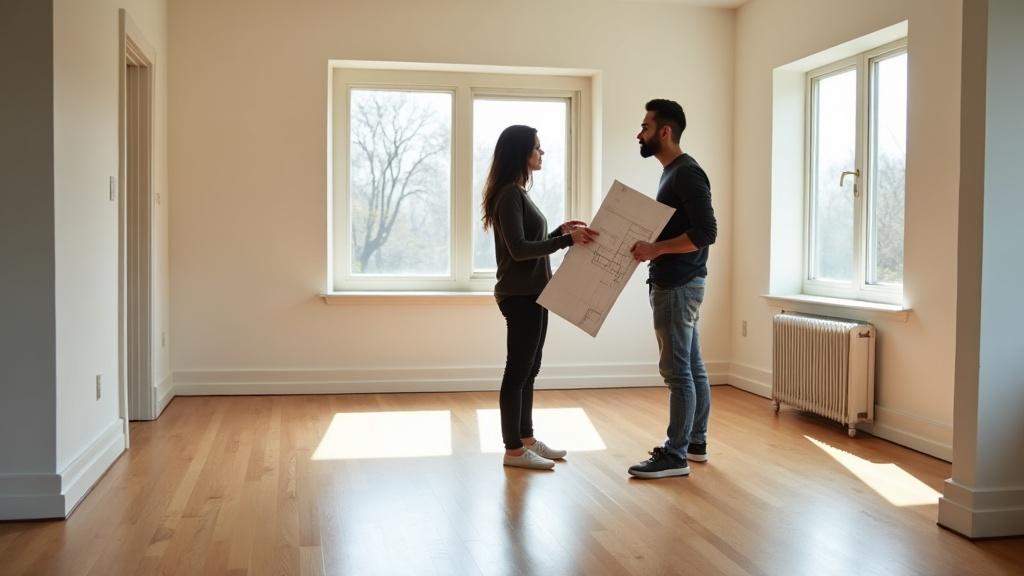
When you are buying a home in Toronto, Vancouver or any North American city, a vastu walk-through before you sign can help you understand how the space will support your family. The goal is not to find a perfect house—few exist—but to know which features will serve you well and which may need adjustment. This checklist focuses on the things that matter most and are hardest to change once you move in.
 View full-size illustration ↗
The main entrance and its direction
The main door is where energy enters the home. Vastu considers north, northeast and east entrances generally favourable because they receive morning light and align with beneficial planetary influences. A south-facing door is not inherently problematic, but it requires more care in placement—ideally in the fourth pada, the section nearest the southeast corner of the south wall, rather than dead centre.
In an apartment building, your unit door matters more than the building's lobby entrance. Stand inside your potential front door and notice whether the hallway or street beyond feels open or cramped. A clear, well-lit approach is preferable to a narrow corridor that ends at your door.
Kitchen placement and the fire element
The kitchen represents Agni, the fire element, and belongs in the southeast corner of the home. In North American layouts this is often challenging—many kitchens sit along the north or west wall. If the stove itself can be placed so you face east while cooking, that is a workable compromise.
Avoid a kitchen in the northeast, which is reserved for water and open space, or directly under a bathroom on the floor above. If the kitchen shares a wall with a bathroom, that is common in apartments and not a serious concern, but a kitchen directly beneath a toilet creates a symbolic inversion that most families find uncomfortable over time.
Bedrooms and the quality of rest
The master bedroom should be in the southwest portion of the home, which supports stability and rest. Children do well in the west or northwest. Avoid bedrooms in the northeast, which is too light and active for deep sleep, or the southeast, which carries the fire element.
When you walk into a bedroom, notice where the bed will go. Ideally your head points south or east while sleeping. If the room forces a north-head position because of window and door placement, it is not disqualifying, but it is worth knowing before you commit.
Bathrooms and the northeast corner
The northeast is the most sensitive area in vastu, associated with water, clarity and the beneficial influence of Jupiter. A bathroom in the exact northeast corner is considered the most difficult placement to remedy. Bathrooms in the east or north portions of the northeast are less severe but still worth noting.
Bathrooms in the west, northwest or south are generally acceptable. In a multi-storey home, check that no toilet sits directly above the kitchen, dining area or puja space. This is easier to verify before purchase than to discover later.
Slope, drainage and the surrounding land
Vastu prefers land that slopes gently downward toward the north or east, allowing water and energy to flow in those directions. In practice, most North American lots are graded for municipal drainage and you have little control over this. What you can check is whether water pools near the foundation after rain, especially on the northeast side, which should remain dry and slightly elevated relative to the southwest.
If you are buying a house, walk the perimeter. Notice whether the northeast corner is open to sky or blocked by a large tree, fence or neighbouring structure. An open northeast supports natural light and a sense of ease.
What a vastu consultation can clarify
If you are serious about a property but uncertain about specific features, a consultation through the Vastu Studio can provide a detailed review of the floor plan and photos. A trained consultant will prioritize the issues, suggest remedies where they exist, and help you understand which concerns are structural and which are adjustable through furniture placement, colour or ritual.
Some buyers also choose to time the closing or move-in date using a Muhurtham, an auspicious moment selected according to the panchang. This does not change the house itself, but it does align the beginning of your time there with supportive planetary conditions.
 View full-size illustration ↗
Features that are easy to adjust later
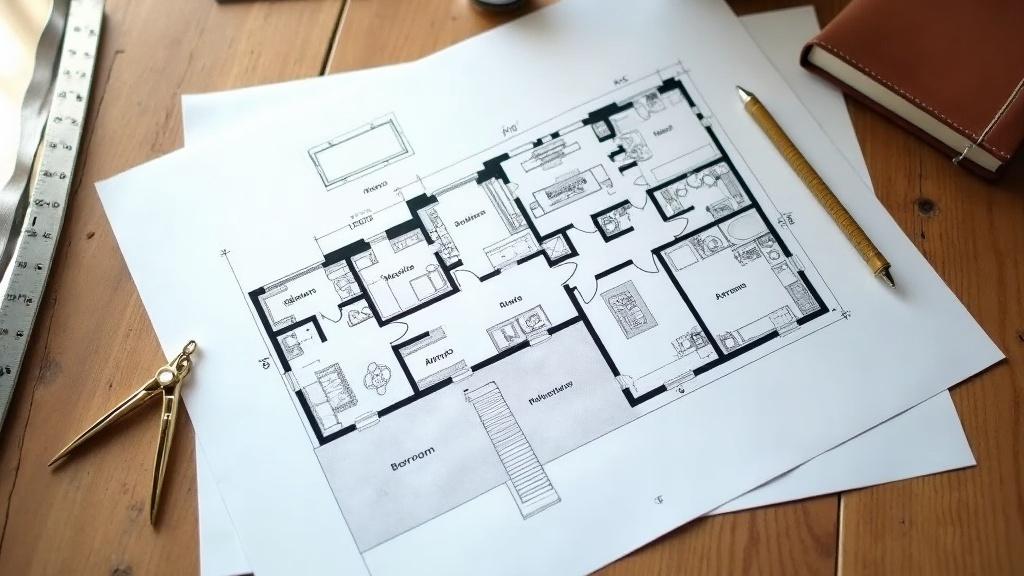
Not every vastu concern requires walking away from a house. Paint colour, furniture arrangement, the placement of mirrors and artwork, and the location of a home altar are all flexible. If the bones of the house—entrance, kitchen, master bedroom, northeast corner—are sound or manageable, smaller adjustments can be made after you move in.
Remember that vastu is a guide, not a gate. It describes how space and direction influence daily life, but it does not override practical needs like commute time, school district or budget. Use this checklist to make an informed choice, not a fearful one.
A short list for your walk-through
When you visit a property, bring a compass or use your phone's compass app. Walk through these points in order:
- +Stand at the main entrance and note its direction.
- +Find the kitchen and check whether the stove can face east or south.
- +Locate the master bedroom and assess its position in the floor plan.
- +Identify any bathroom in the northeast quarter of the home.
- +Walk outside and observe the slope and drainage pattern.
- +Notice whether the northeast corner inside and outside feels open and light.
- +Ask yourself whether the overall layout feels clear and easy to move through.
This process takes fifteen minutes and gives you the information you need before you make an offer. Vastu is not about finding a flawless home; it is about understanding the home you are choosing.